

The Integration of Intelligence and Aesthetics: China's Lighting Industry Ushers in a Revolution of "Light"
In recent years, driven by both consumption upgrading and technological innovation, China's lighting industry is undergoing a profound transformation—from traditional illumination to the application of intelligent aesthetics. From home decor to commercial spaces, and from urban nightscapes to cultural tourism landscapes, lighting is no longer merely a tool for illumination but has become a vital medium for artistic expression, emotional interaction, and smart living.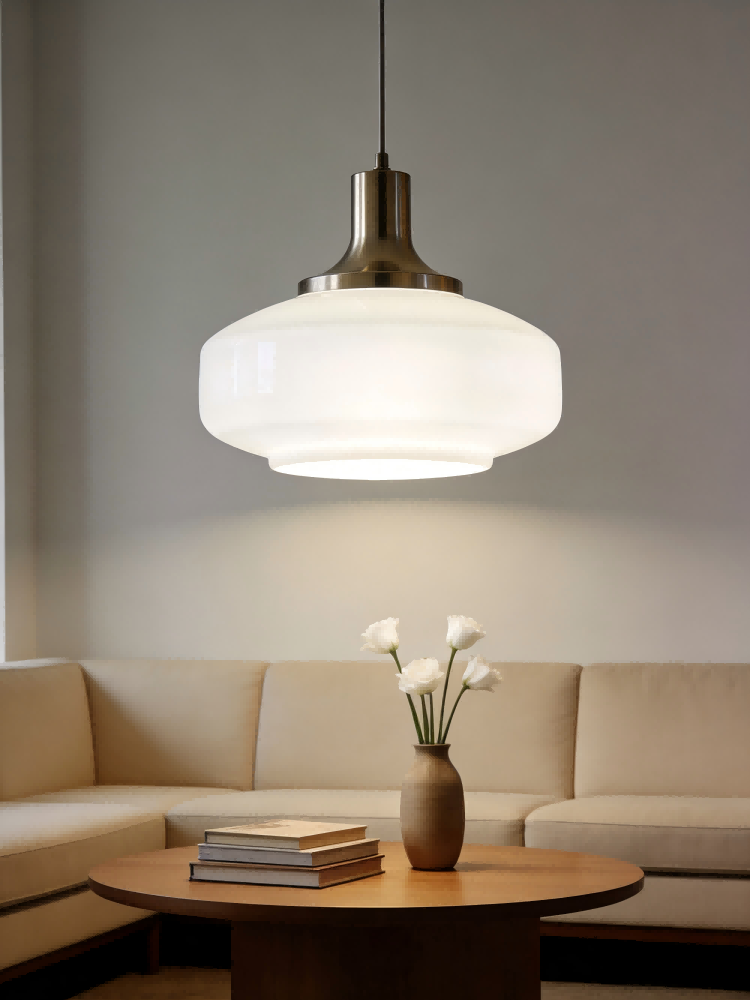
Smart Connectivity Illuminates New Scenarios for Intelligent Living
Walking into a Chinese household in 2023, a single light fixture may carry far more functions than one might imagine. Through smartphone apps or voice assistants, users can effortlessly adjust the color temperature, brightness, and even the rhythmic colors of lights to create atmospheres suited for different scenarios such as reading, resting, or social gatherings. Some high-end smart lighting products also incorporate health concepts, simulating the changing patterns of natural light to help regulate the human biological clock and improve sleep quality.
"Smart lighting has become an indispensable part of the smart home ecosystem," stated the head of the smart home division at a well-known technology company. With the widespread adoption of technologies like the Internet of Things (IoT) and 5G, the integration of lighting with security, entertainment, environmental monitoring, and other systems has become tighter, constructing a safer, more comfortable, and convenient smart living environment.
Design Empowerment: Lighting as the Soul of Spatial Art
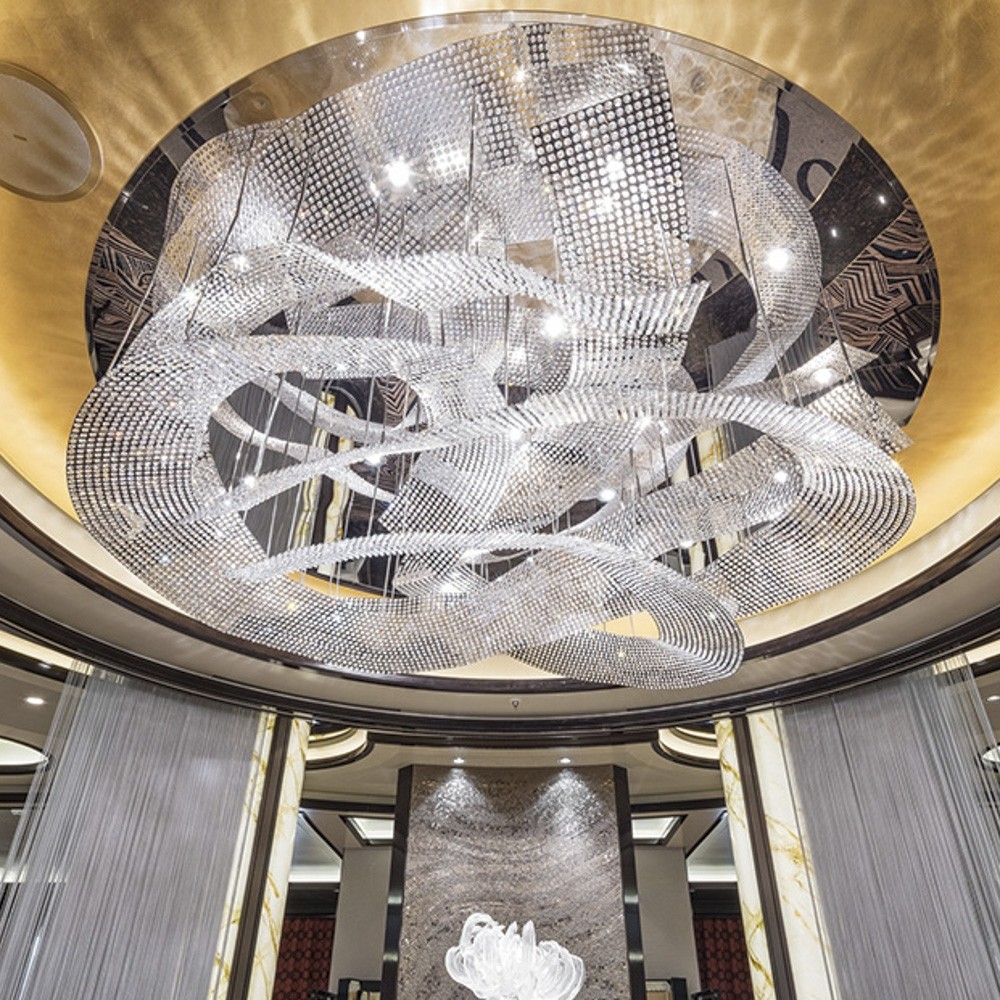
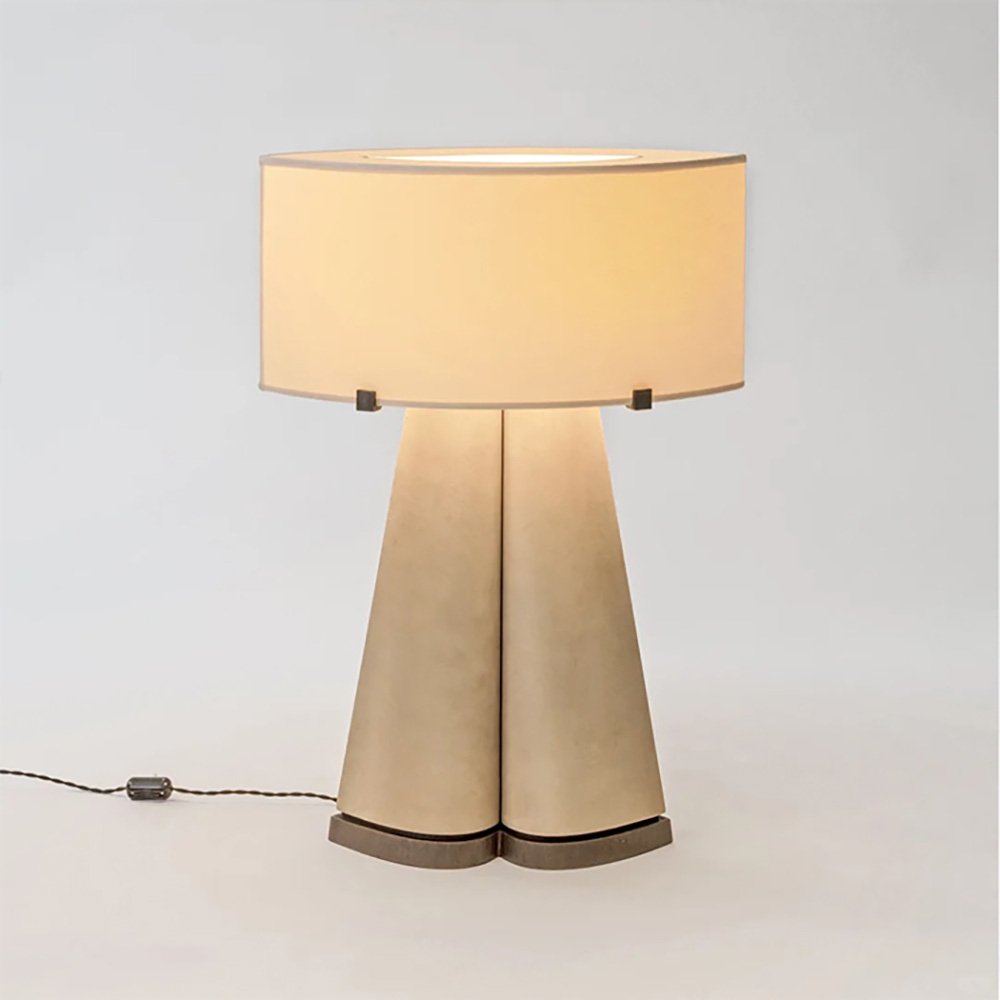
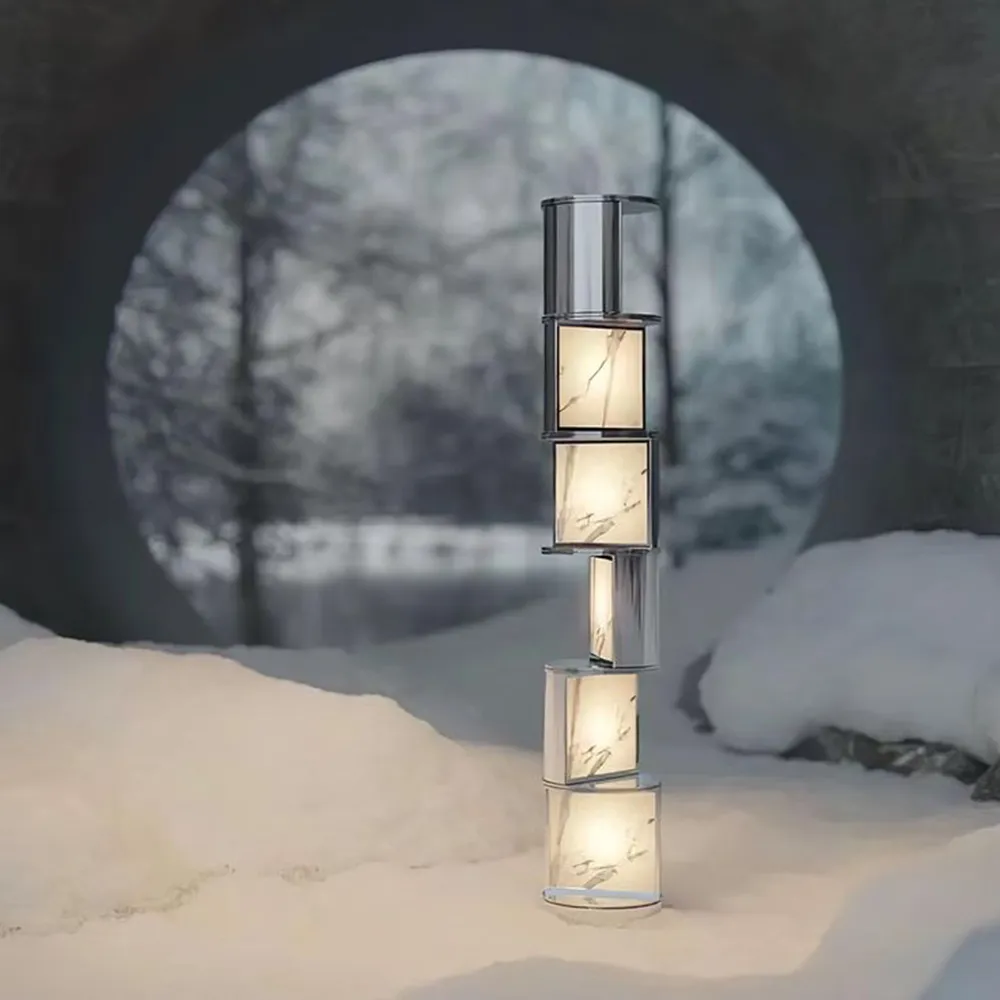
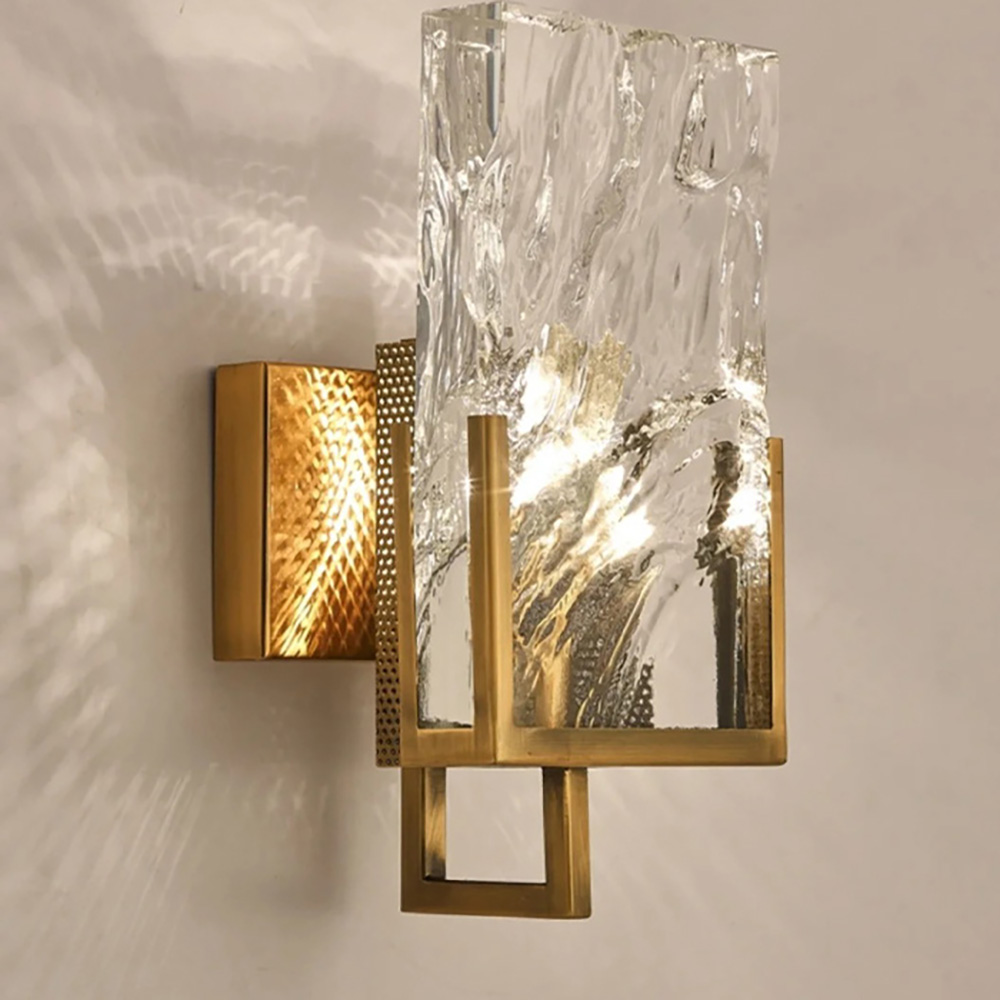
In the realm of aesthetics, lighting design is also witnessing rapid innovation. Modern minimalism, new Chinese style, industrial chic, art deco—various styles are flourishing. Designers boldly employ materials such as metal, glass, ceramics, acrylic, and even renewable resources, combining them with sculptural forms to turn lighting fixtures themselves into visual focal points and artworks within a space.
Particularly in commercial spaces and high-end residential projects, the demand for customized lighting is growing increasingly strong. Lighting must deeply integrate with the overall design concept, telling unique stories and enhancing the cultural taste and brand value of the space. Some local original design brands are emerging, skillfully blending traditional Chinese cultural elements with modern design techniques, gaining favor in both domestic and international markets.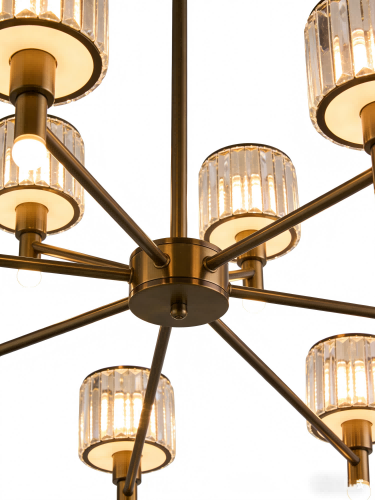
Green Energy Efficiency: Sustainable Development Becomes Industry Consensus
Against the backdrop of the "Dual Carbon" goals, green environmental protection and energy efficiency have become mandatory standards and core directions for technological research and development in the lighting industry. LED technology has long been popularized, with its luminous efficacy, lifespan, and color rendering continuously improving. Meanwhile, applications such as solar-powered lighting and low-power smart control systems are expanding, reducing energy consumption at the source.
Leading enterprises in the industry are increasing their investments in eco-friendly materials, recyclable design, and emission reduction in production processes. "We pursue not only the beauty of our products but also the beauty of harmonious coexistence with the environment," remarked a lighting manufacturer.
Market Outlook: Infinite Potential in Integration and Cross-Disciplinary Innovation
Looking ahead, China's lighting market will continue to evolve deeply toward intelligence, personalization, artistry, and sustainability. Experts predict that with the maturation of technologies like artificial intelligence and edge computing, lighting will become more intelligent in sensing the environment and understanding user needs, enabling seamless and proactive services. Simultaneously, cross-disciplinary integration of lighting with architecture, furniture, and multimedia art will foster more innovative applications, such as playing key roles in cultural tourism night tours and urban renewal projects.
From illuminating darkness to creating ambiance, and from single functionality to system integration, lighting is redefining itself. This revolution centered on "light" is not only transforming the form of products but also reshaping people's lifestyles and aesthetic experiences, illuminating a future that is smarter, more beautiful, and more sustainable.
